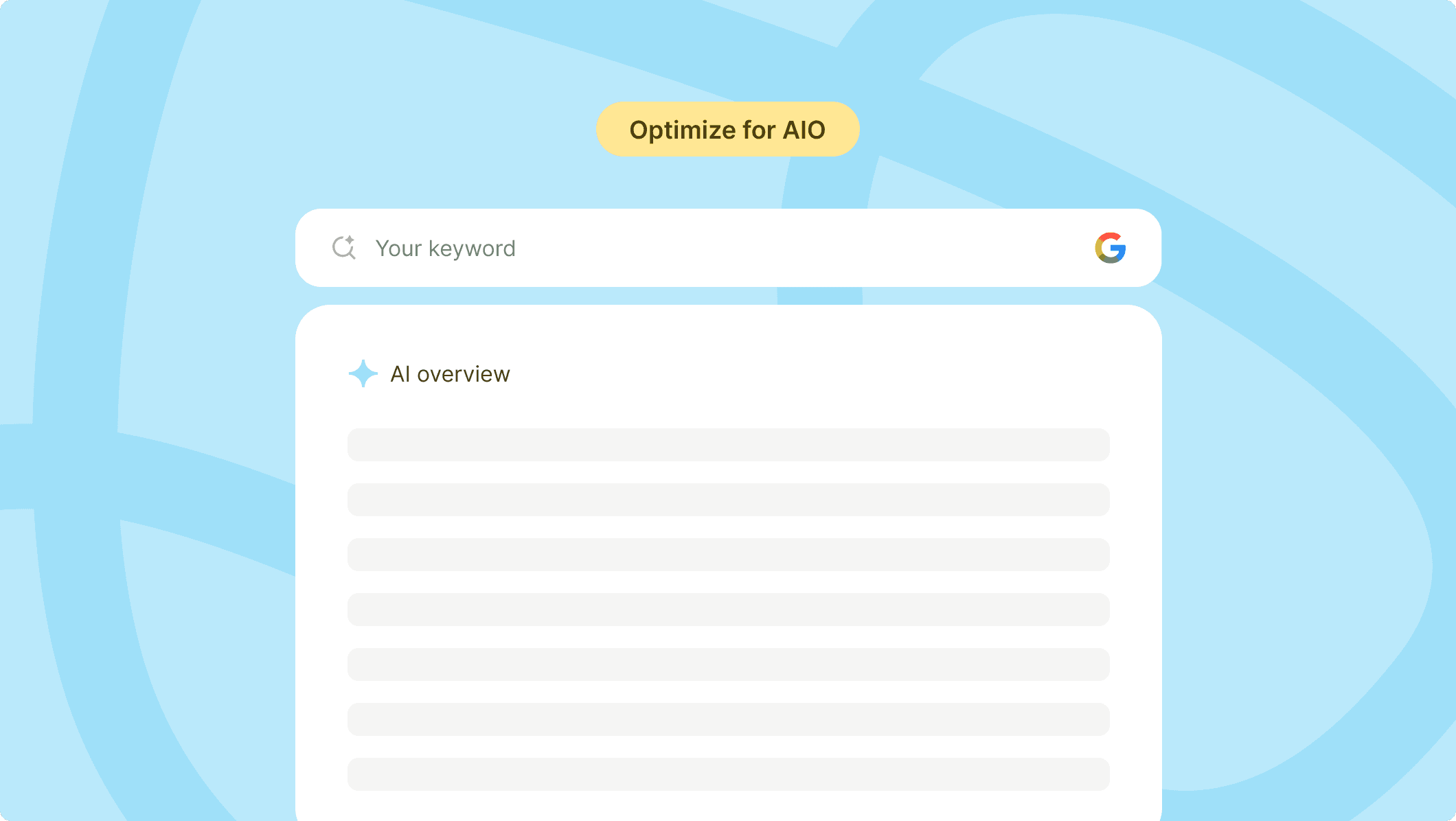
In 2024, Google began surfacing AI-generated summaries at the very top of search results. It reads multiple sources, synthesizes the most useful answer, and presents it before a single organic link appears.



For users, it's faster. For brands, it means the click they were counting on is now sitting below an answer that already satisfied the query. This isn't a future trend to prepare for. It's live, expanding, and already changing how traffic distributes across millions of searches every day.
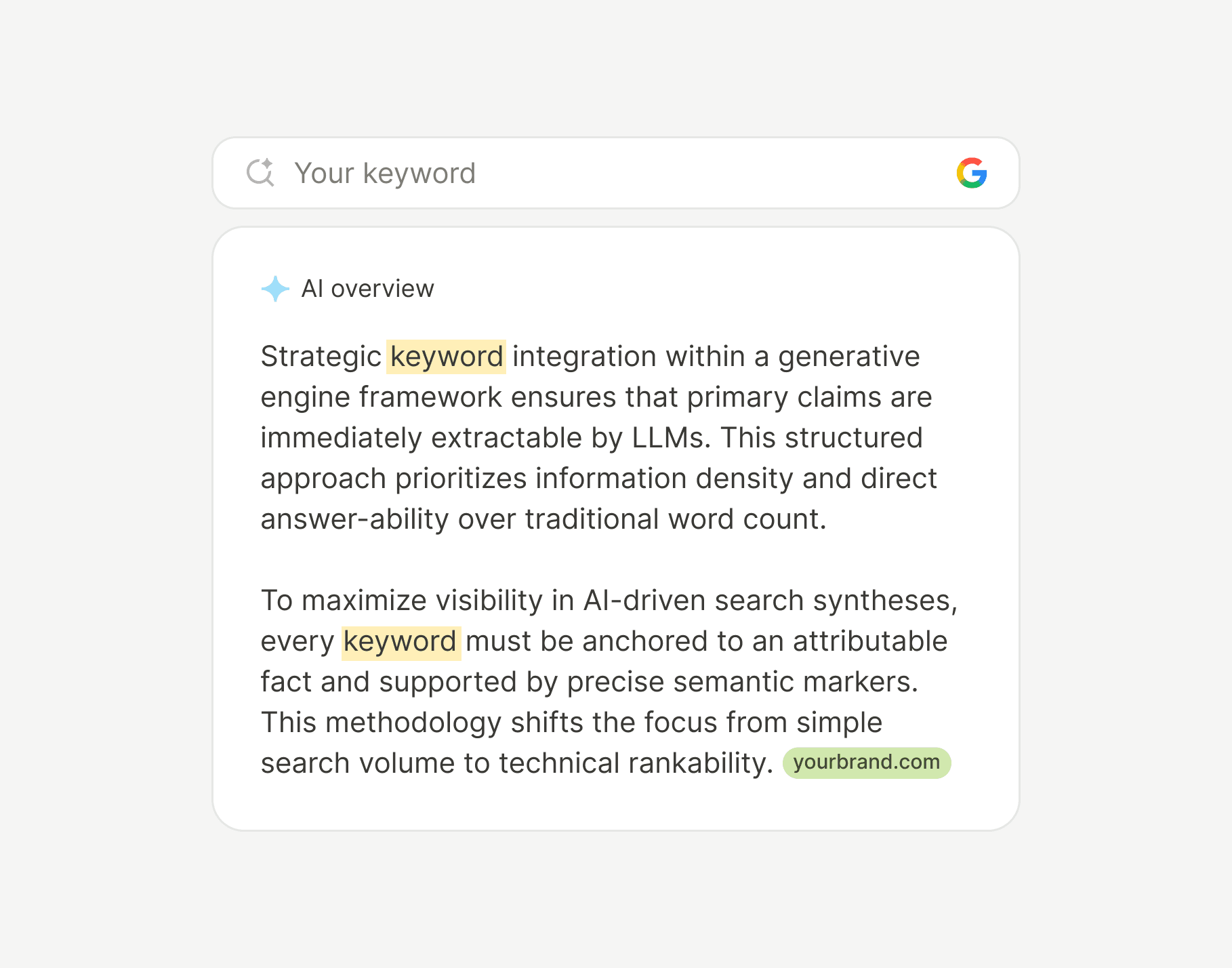
Google AI Overviews do not simply reward the highest ranked page. They reward the most extractable answer. To trigger a citation, generative models require specific semantic signals:
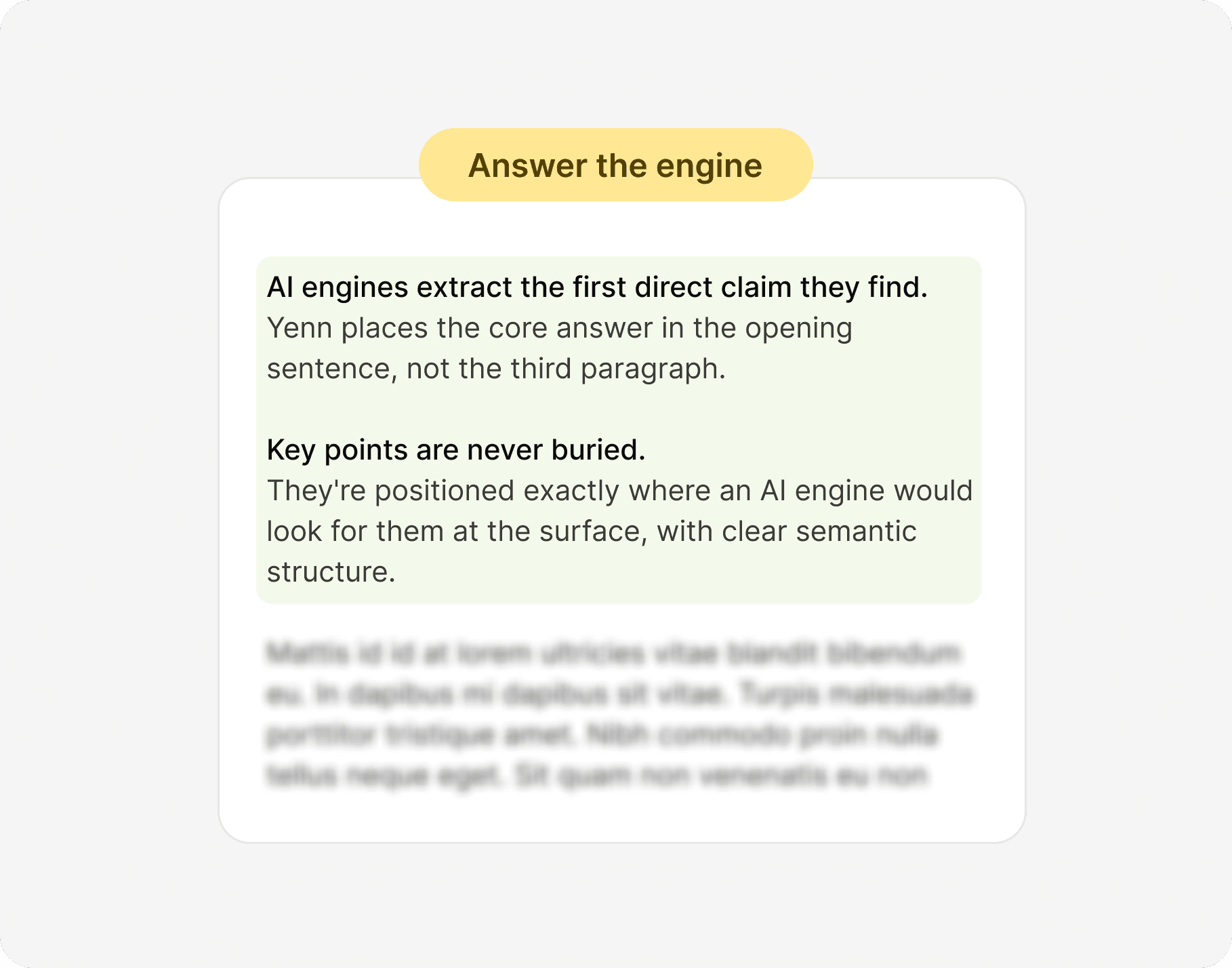
Answer first architecture
Content must lead with the direct answer. AI parsers ignore unnecessary introductions and look for immediate value.
Semantic hierarchy
Header structures must mirror exact search queries. Creative titles sacrifice clarity, whereas semantic headers provide a clear roadmap for extraction.
Verifiable data points
AI engines bypass vague generalities. Your text must deliver specific and verifiable claims to qualify as a trusted source.
Information density
A surface summary of existing results will not earn a citation. The output must demonstrate genuine topical depth and unique insight.
EEAT foundation
Generative models will not stake their answers on content they cannot trust. Your pages must carry strong credibility signals.
SEO agencies
Your clients' rankings are holding but clicks are dropping. AIO is the reason. AIO optimization is the answer.
B2B content teams
Your buyers research decisions using AI-powered search. If you're not in the overview, you're not in the consideration set.
Creators and thought leaders
A consistently structured personal brand is highly citable. Yenn makes sure yours qualifies.
Startups
Early AIO visibility compounds fast. The brands that get there first are genuinely difficult to displace.